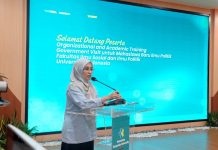


Jakarta – The governments of the Philippines and Indonesia as Lead Country and Co-Lead Country successfully held the ASEAN Non-Communicable Diseases Conference 2026 which was held online on August 4–6, 2026. This conference resulted in the ASEAN Call to Action on Accelerating NCD Response in ASEAN as a joint commitment of ASEAN member countries to accelerate the implementation of prevention and control of Non-Communicable Diseases (NCDs) through a whole-of-government , whole-of-society , and Health in All Policies approach . This conference also became an important momentum in initiating the implementation of the Post-2025 ASEAN Health Development Agenda which focuses on more measurable, collaborative, and impactful actions.
This event was held as a follow-up to various ASEAN regional commitments on NCDs, with the aim of accelerating the transformation of commitments into concrete, coordinated, multi-sectoral, and cross-pillar actions across all ASEAN member countries. Over the three-day event, policymakers, academics, international organizations, civil society, and development partners discussed strategies to accelerate NCD control through strengthening primary healthcare services, public policy, digital transformation, health financing, healthy food environments, and cross-sector collaboration.
The Head of the Health Development Policy Agency (BKPK) of the Ministry of Health, Prof. Asnawi Abdullah, in his opening remarks stated that based on the WHO Global Health Estimates for 2024, NCDs cause approximately 43 million deaths annually, or approximately 75 percent of all deaths worldwide. Approximately 18 million of these are premature deaths before the age of 70, with nearly 82 percent occurring in low- and middle-income countries. More than one billion people live with hypertension, approximately 830 million adults live with diabetes, and the incidence of cancer continues to rise globally.
"This data shows that non-communicable diseases (PTM) are a shared challenge that cannot be addressed by one country alone. ASEAN needs to move faster, strengthen collaboration, and ensure that every commitment is translated into concrete actions that impact society," said Prof. Asnawi.
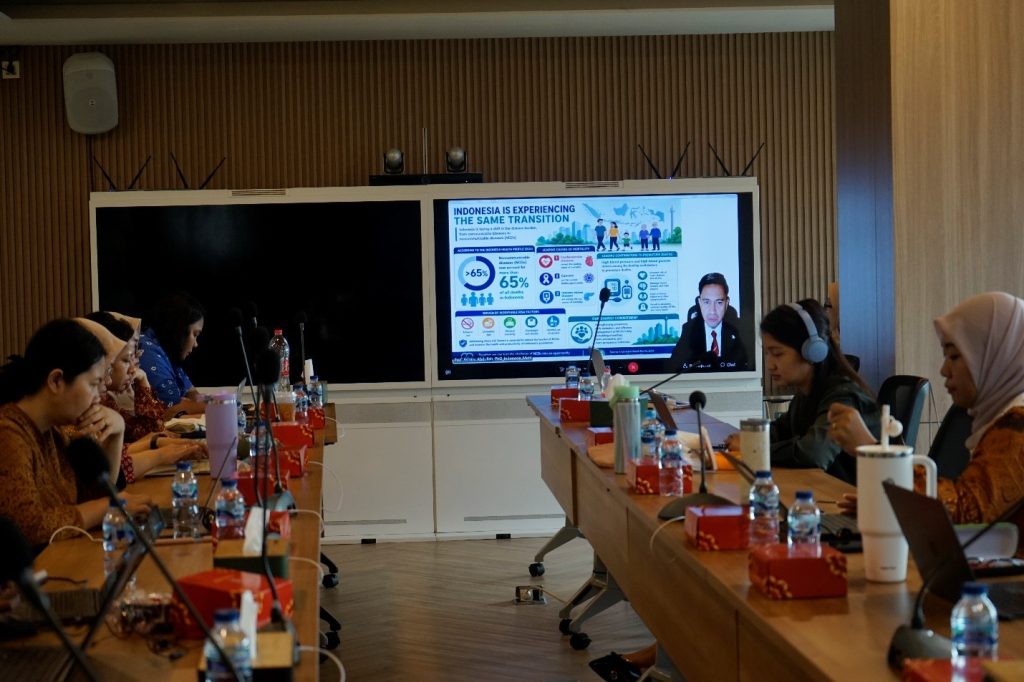
Indonesia actively contributed to the conference's organization through the involvement of several Ministry of Health officials as speakers and moderators at various strategic sessions. This contribution reflects Indonesia's commitment to sharing best practices and strengthening regional cooperation in the prevention and control of NCDs.
As a key outcome of the conference, all ASEAN member states adopted the ASEAN Call to Action on Accelerating NCD Response in ASEAN . The document affirms ASEAN's shared commitment to:
- strengthening primary health services and expanding access to NCD services within the Universal Health Coverage (UHC) framework;
- accelerate the implementation of evidence-based policies to reduce NCD risk factors, including tobacco control, promotion of healthy diets, physical activity, and reduction of sugar, salt, and fat consumption;
- increasing sustainable financing for the prevention and control of NCDs;
- strengthening data systems, surveillance, research, and digital transformation;
- encourage cross-sector collaboration through approaches whole-of-government, whole-of-societyand Health in All Policies; as well as
- Develop the ASEAN NCD Implementation Roadmap 2026-2030 and the ASEAN Compendium of Scalable NCD Best Practices as a follow-up to implementation at the regional level.
Through this conference, Indonesia and the Philippines successfully facilitated the birth of a new ASEAN commitment to accelerate NCD control. Going forward, Indonesia will continue to support the implementation of the ASEAN Call to Action by strengthening primary healthcare services, digital health transformation, and developing evidence-based policies to create a healthier, more productive, and more resilient ASEAN community.
(Authors: Kurniatun Karomah and Rita Ratna Puri, Editor: HDI Work Team)