
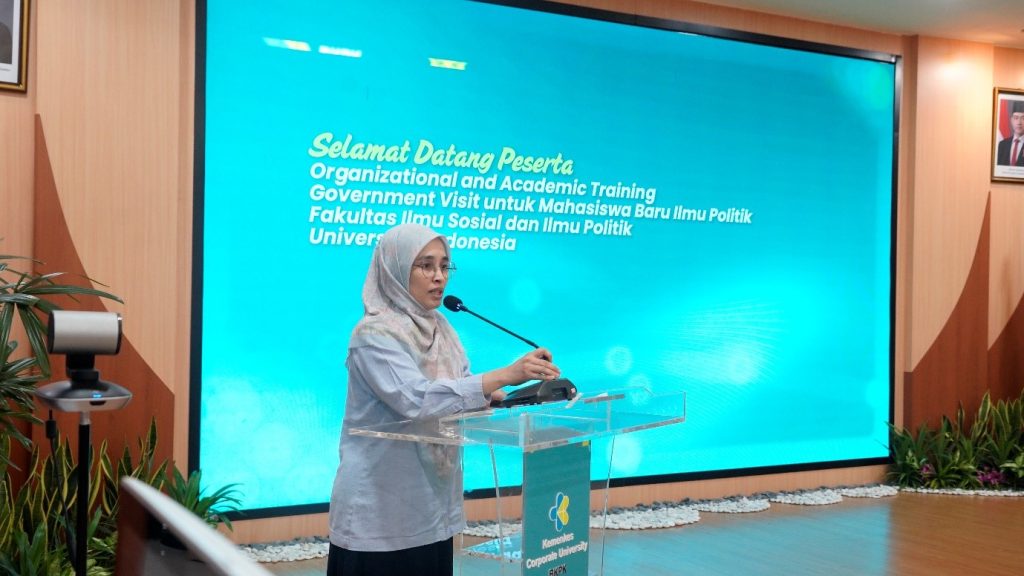
Jakarta – Policies are not born in a vacuum. Their formulation and implementation require consideration of many factors, including public interest, data utilization, and the analysis of evidence. This was conveyed by Nelly Puspandari, Head of the Health Development Policy Implementation Management Working Team (BKPK) at the Indonesian Ministry of Health.
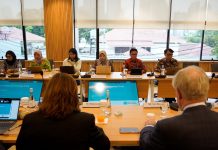
"Policy is not just a sudden inspiration," said Nelly when welcoming a visit from students of the Political Science Study Program, Faculty of Social and Political Sciences (FISIP), University of Indonesia (UI) class of 2026 at the BKPK Office, Monday (5/10).
The visit by FISIP UI students, which is part of the 2026 Organizational and Academic Training (OAT) activities, aims to directly introduce the process of formulating and managing evidence -based health policies.
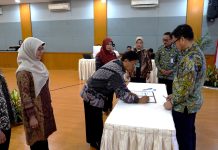
Nelly further explained that the BKPK plays a role in the entire policy cycle, from agenda setting (problem mapping) to joint formulation of program units, implementation, and evaluation. As a concrete form of public participation, on the same day, the BKPK also held a public hearing regarding the revision of Government Regulation (PP) Number 28 of 2024 to gather public input and aspirations.
BKPK's Chief Expert Policy Analyst, Wiendra Waworuntu, added that the existence of scientific evidence is absolutely necessary for health policies to be effective and on target.
"The most important thing is how evidence-based the policy is . This helps prioritize issues, ensures more effective policies, reduces the risk of implementation failure, and increases resource efficiency," said Wiendra.
In his presentation, Wiendra also outlined several priority national health development agendas, such as eradicating tuberculosis (TB), strengthening national health resilience by increasing the Domestic Component Level (TKDN), and implementing the Free Health Check (CKG) program. Students and higher education institutions are expected to actively participate in encouraging the younger generation to contribute to the success of these priority programs.
Meanwhile, Muhammad Imam, Secretary of the Undergraduate Political Science Program at the Faculty of Social and Political Sciences, University of Indonesia, expressed his appreciation for the open acceptance from the Ministry of Health's BKPK (Corruption Eradication Commission). He noted that the health sector is a strategic issue closely linked to public policy and politics.
"We are very pleased with today's activity, as it gives students the opportunity to learn directly from an institution addressing national priorities. We hope this opportunity will be the beginning of more concrete collaborations, both in joint research and student internships at the BKPK," said Imam.
In addition to discussing health system transformation and regulatory development, the FISIP UI students also broadened their knowledge of the Ministry of Health's organizational structure, the new work culture of delayering , the digitization of bureaucratic services, as well as career opportunities and human resource capacity development. The material was presented by Giri Inayah, Head of the Library Management Working Team of the Ministry of Health's Communication and Public Service Bureau.
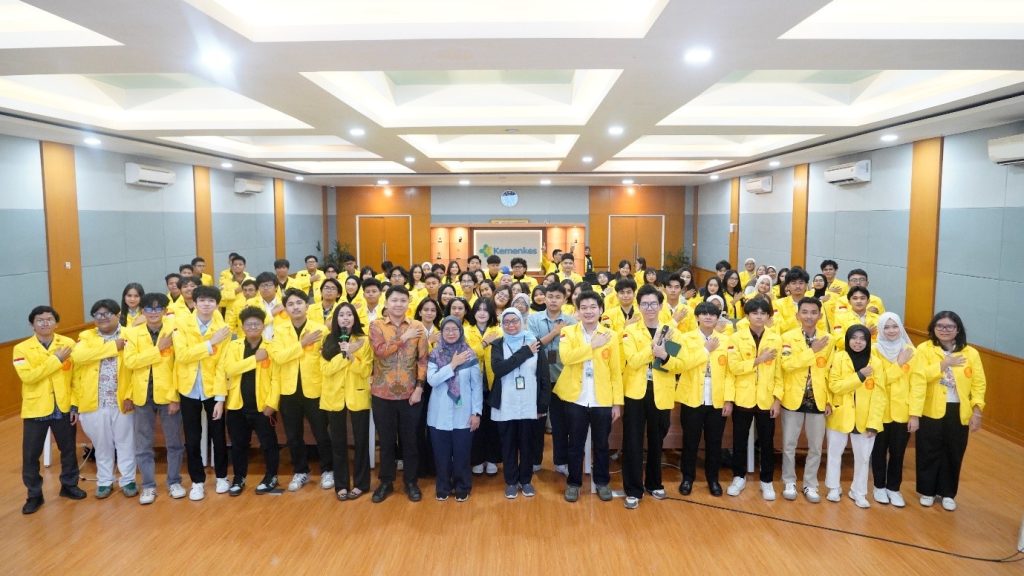
The FISIP UI students' visit concluded with a discussion and question-and-answer session, a group photo, and a visit to the BKPK library and Health Policy Gallery. These activities provided the students with an opportunity to gain a closer look at the BKPK's work environment and policy information resources. (Author: Faza Nur Wulandari, HDI Team Editor)